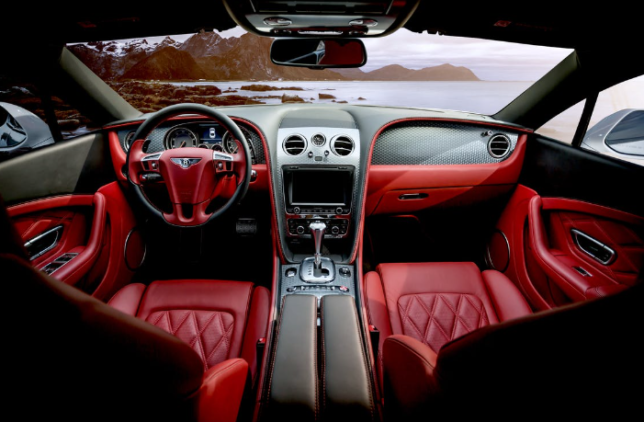
How TikTok Is Changing Car Culture (for Better or Worse)
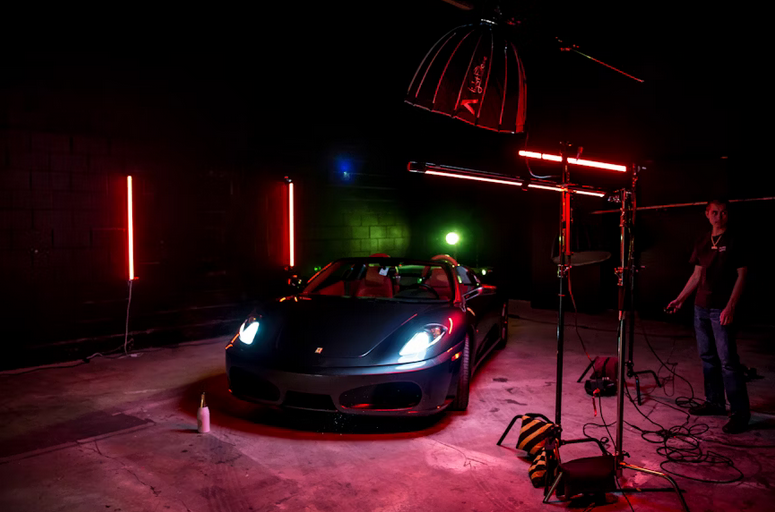
TikTok isn’t just a platform for dance challenges and cooking hacks anymore—it’s become a massive force in shaping car culture around the world. Scroll through the app, and you’ll find everything from garage builds and burnout contests to how-to videos for installing exhausts or suspension kits. But as with anything that goes viral, TikTok’s impact on the car scene is a mixed bag. Some say it’s inspiring a new generation of gearheads, while others argue it’s watering down the culture with clout-chasing content. So, is TikTok making car culture better—or worse? Let’s break it down.
Mod Trends Are Spreading Faster Than Ever
Thanks to TikTok’s algorithm, automotive mods can go viral overnight. What used to be underground or regional trends now get global attention in a matter of hours. Everything from widebody kits to paint wraps and underglow lighting has gained new popularity on the platform. One trend that’s gotten a lot of attention is the use of sports car wheel spacers, which creators often showcase to achieve a more aggressive stance or improve handling. These clips can rack up millions of views, influencing car enthusiasts around the world to try similar upgrades—sometimes without fully understanding the technical implications.
A New Generation of Car Enthusiasts Is Emerging
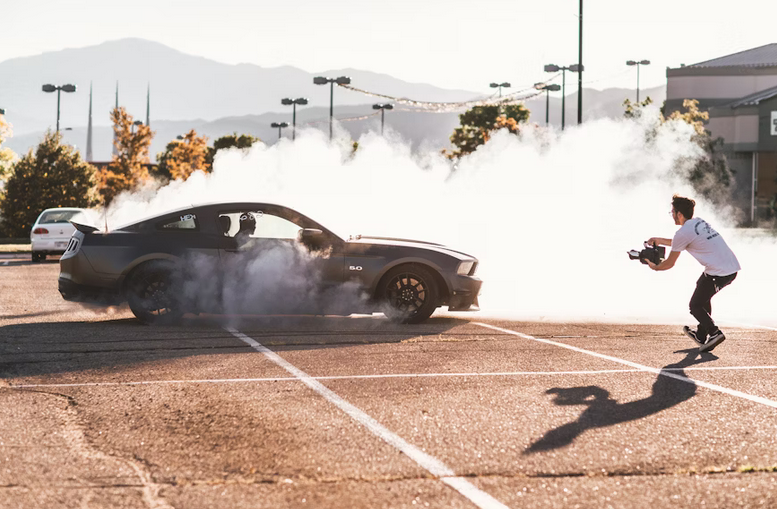
TikTok has opened the garage doors to a younger crowd who might not have otherwise engaged with traditional car forums or meetups. It’s made car culture more accessible and visually engaging, breaking down technical info into 30-second clips or comedic sketches. From high school students learning to change their oil to college kids saving up for coilovers, TikTok has become a digital garage where newcomers can learn, ask questions, and feel like part of a community—something that’s been hard to find in the more elitist corners of car culture.
Drama and Clout Are Fueling the Wrong Kind of Attention
Of course, not everything about TikTok’s influence is positive. There’s a growing wave of creators prioritizing views over value, showcasing reckless driving, street takeovers, or illegal mods just for internet clout. These videos can glamorize dangerous behavior, drawing criticism from both within and outside the car community. The desire to go viral can push people to install parts they don’t need or even understand—leading to safety issues, mechanical problems, and a lot of misinformation. It’s one of the darker sides of TikTok’s influence that can’t be ignored.
Old-School Enthusiasts Are Feeling Left Out
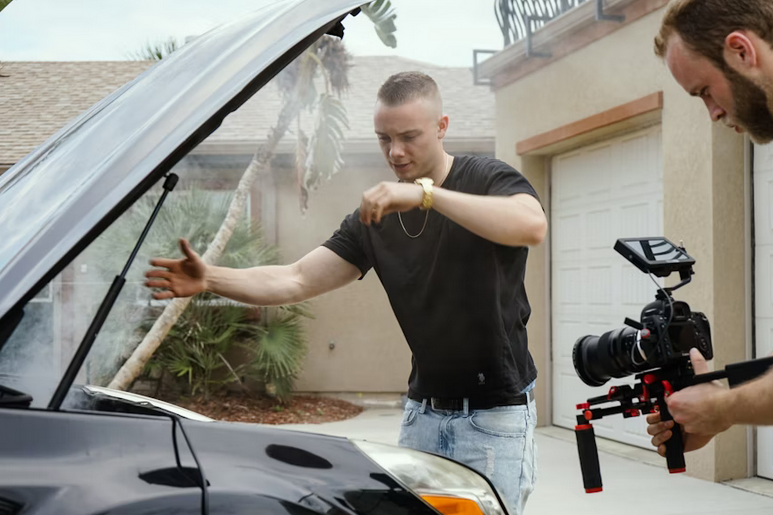
Traditional car enthusiasts—those who grew up wrenching on muscle cars or restoring classics—sometimes feel alienated by TikTok’s fast-paced, trend-driven content. While some have embraced the platform, others see it as promoting style over substance. The deep knowledge and craftsmanship that have long been staples of car culture are often reduced to background visuals or catchy audio tracks. This disconnect has sparked debates online, with some claiming that TikTok is “ruining” car culture by oversimplifying it and turning it into a popularity contest.
Car Shows and Meets Are Getting a Makeover
Despite the controversy, TikTok has undeniably revitalized interest in car shows and meetups. Organizers now promote events on the platform, and attendees often capture highlights for their followers, adding a layer of social media buzz that wasn’t there before. TikTok has also encouraged more creative builds—cars designed not just to perform well, but to photograph and film well too. It’s created a new standard for visual presentation and made real-world events more exciting for a digitally native generation.
TikTok’s impact on car culture is complicated—but undeniable. It’s brought in a flood of new enthusiasts, revived interest in automotive trends, and helped spread ideas faster than ever. But it’s also introduced some shallow elements, emphasizing aesthetics and attention over real knowledge and experience. Whether you love it or hate it, TikTok is now part of the modern car scene. The challenge moving forward will be finding a balance between entertainment and authenticity—so the next generation of gearheads doesn’t just look the part, but knows what’s under the hood too.
Related Post
The Benefits of Painting the Exterior of Your Vehicle
When it comes to painting the exterior of your vehicle, there are a lot of [...]
Top 4 Tips for Keeping Your Classic Car in Mint Condition
Owning a classic car is similar to holding a piece of automotive history—a timeless symbol [...]